Basic Information
about Chickens and Poultry
From the NFM Staff
Starting a chicken-keeping journey can feel overwhelming, and ensuring proper care and maintenance adds to the challenge. Explore our solutions below to discover how we can assist you.
-
![]()
Raising Baby Chickens
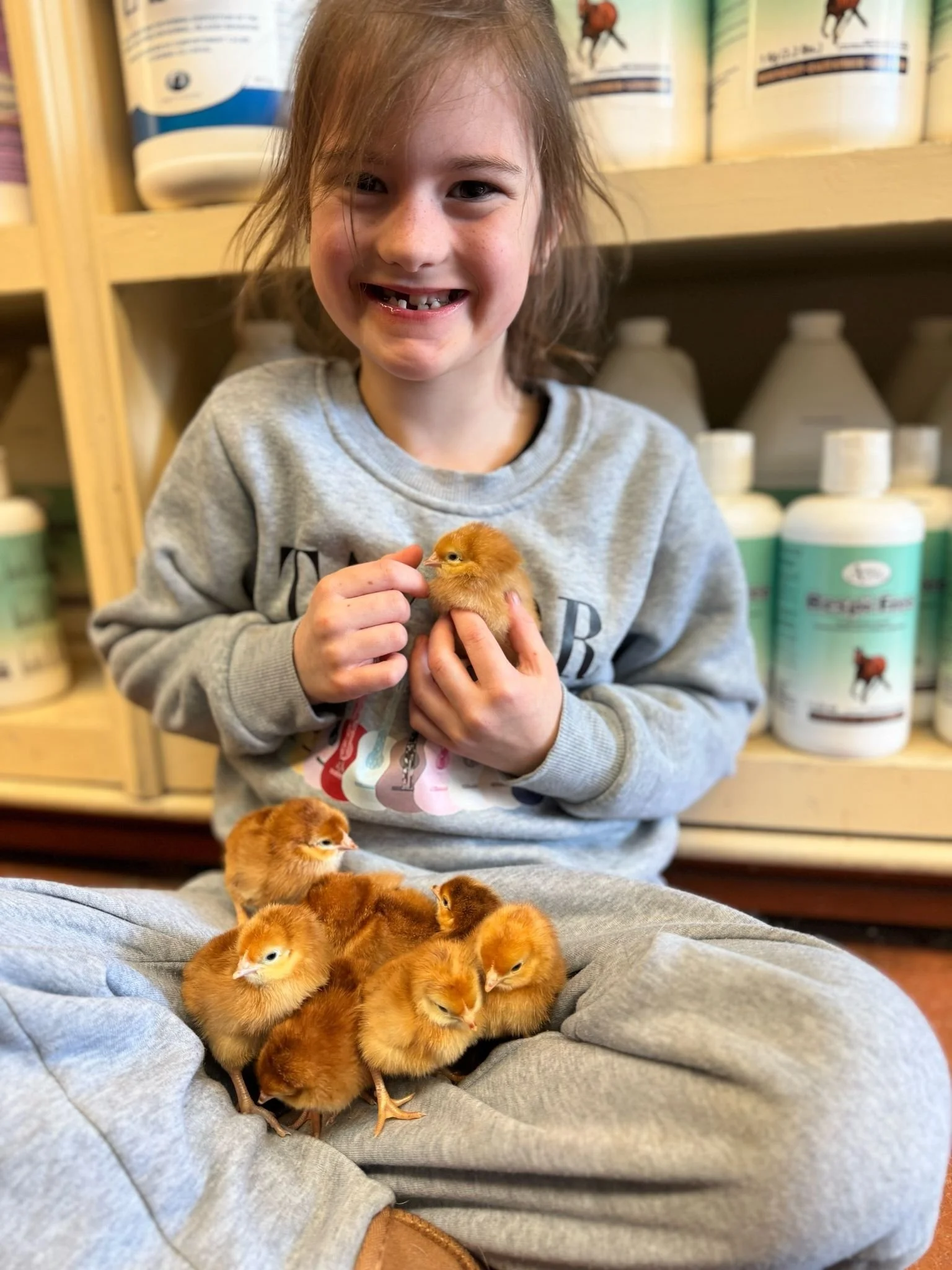
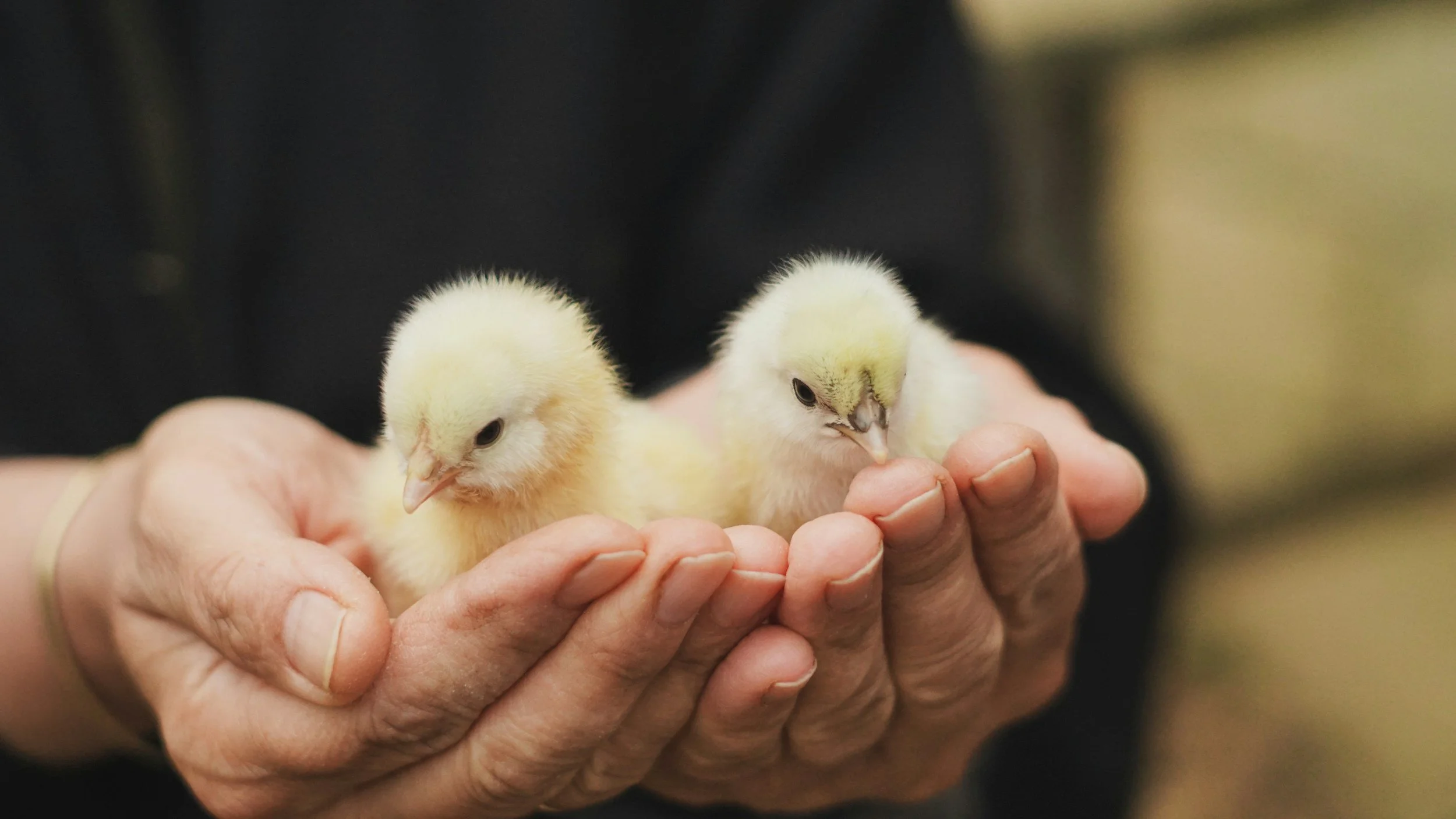
If you are thinking of raising chickens either from egg or from freshly hatched, It is important to ensure that the setup is ready a few days before your babies arrive whether that is the estimated hatching time or the purchase date.
-
![]()
Hatching
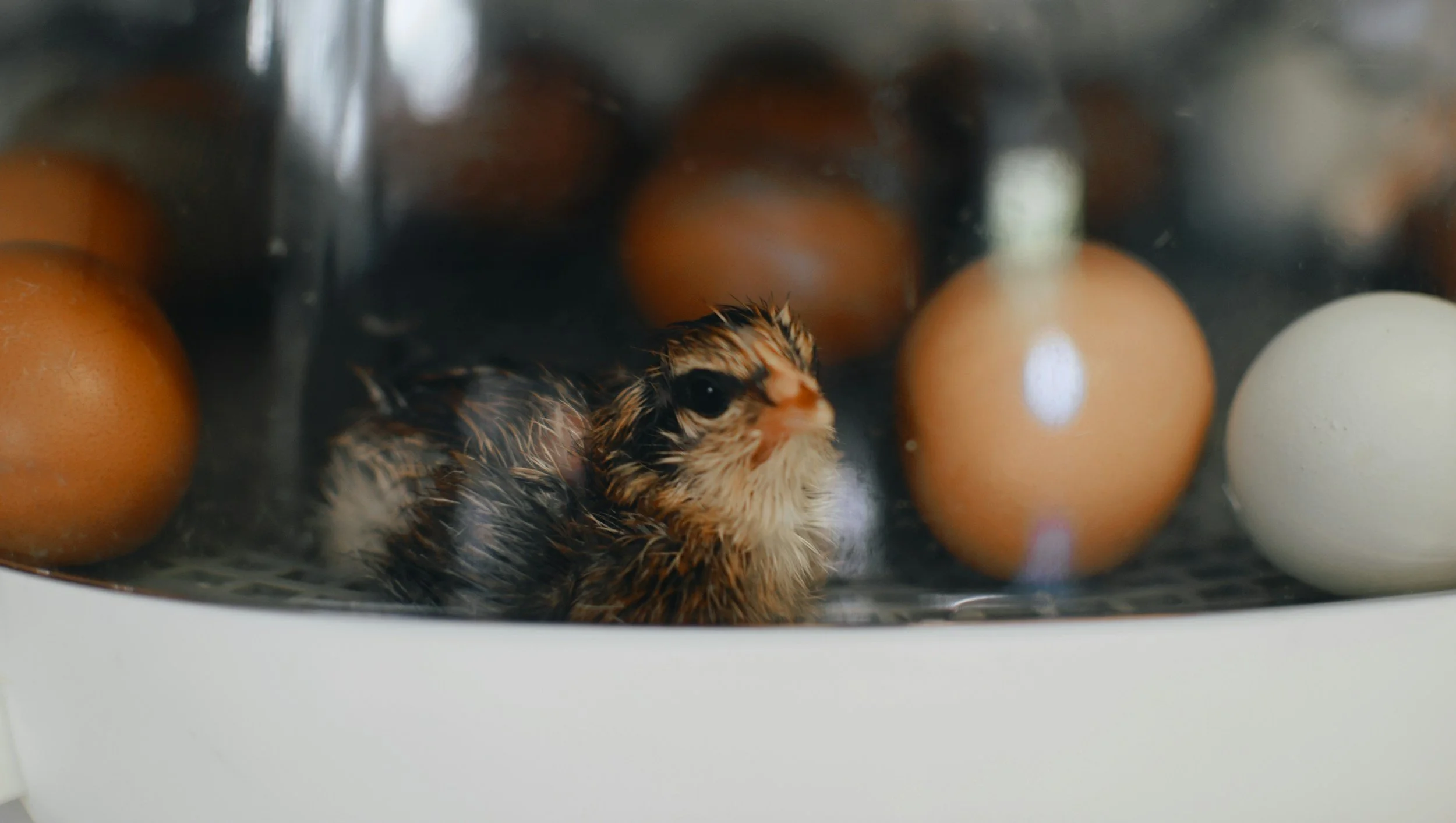
When hatching any type of poultry from egg, it is important to remember that your incubator or mother hen may fail at any time. Having a backup is crucial for last minute emergencies.
-
![]()
Mother Hen
If you are allowing a hen to sit on eggs (Broody) it is imperative that you mark the eggs with an upside and a date. When checking on the hen and her eggs, ensure that the eggs are being turned regularly and that no new eggs are added. Other hens will add eggs in hopes that the mother will raise their babies as well. The mother’s hormones and instincts will have her attempting to sit on all eggs within reach of her nest. Ensure that there are no more eggs under a hen then she can comfortably fully sit on. Any new eggs are to be removed daily. These new eggs are no different from regularly collected eggs.
A mother should sit on eggs for 30-40 days depending on her instincts. When she (or you) are collecting eggs for hatching, they remain viable for up to 2 weeks provided that they are rotated regularly. The 30 day hatching date begins after the collection is deemed complete and the hen begins raising the temperature and humidity of her eggs.
Hens may give up at any time within the process to be sure to check on her regularly and have a backup incubator, even if it is a simple DIY system ready should it be needed.
If you are set up for isolation it is a good idea to move the hatching nest to an isolated section once the mom is fully into the broody phase to prevent interference from other birds. Keep food and water close to the nest and available to mom at all times. It should be close enough that she can reach it within a few steps but can not reach it from the nest.
If you can not isolate, ensure that there is at least one source of food and water close by in addition to the rest of the regular feeders and waters.
Once hatched, the mother will present her babies to the flock and beat up every other bird at least once to ensure that they all understand not to touch her babies. It is a good idea to place items around your coop that the babies can hide under and around that the adults can not reach. One or 2 dead ends that the mom can guard while her babies hide can help with the integration. Be aware that there will be some losses no matter how good of a mom she is. The hatching process will eliminate most of the babies with health issues, While the introduction will eliminate those who are mobility or cognitively slower.
-
![]()
Incubator
When collecting eggs to raise in an incubator, they can be collected from your choice hens for up to 2 weeks, Place the eggs in an egg carton in a dark cool area with one side of the carton propped up on a dictionary or similarly fat textbook. Twice a day change which end is propped up on the book. This is the easiest way to simulate basic rotation during egg collection.
Follow the instructions of your incubator for set up. It is a good idea to purchase a cheap thermometer and hydrometer for secondary reading within your incubator. While most machines are very accurate, your elevation, air pressure and surrounding environment can make the preset temperature schedules or probes to be off by a few degrees. While this difference is likely to be consistent, allowing for easy adjustment, you will be unaware of the need to adjust without the secondary devices.
Follow the detailed instructions for the type of bird you are raising within your incubator.
Things to Note:
- Cycle your incubator for at least one day before placing the eggs within,
- All eggs should be placed within the same day.
- Remove any eggs with no progress at the each candling.
- When Lockdown is in progress, do not break that seal until it is estimated that all eggs have hatched AND that all babies are dry and fluffy.
- New babies have no need for food or water for 48 hours after hatching
-
![]()
First Days
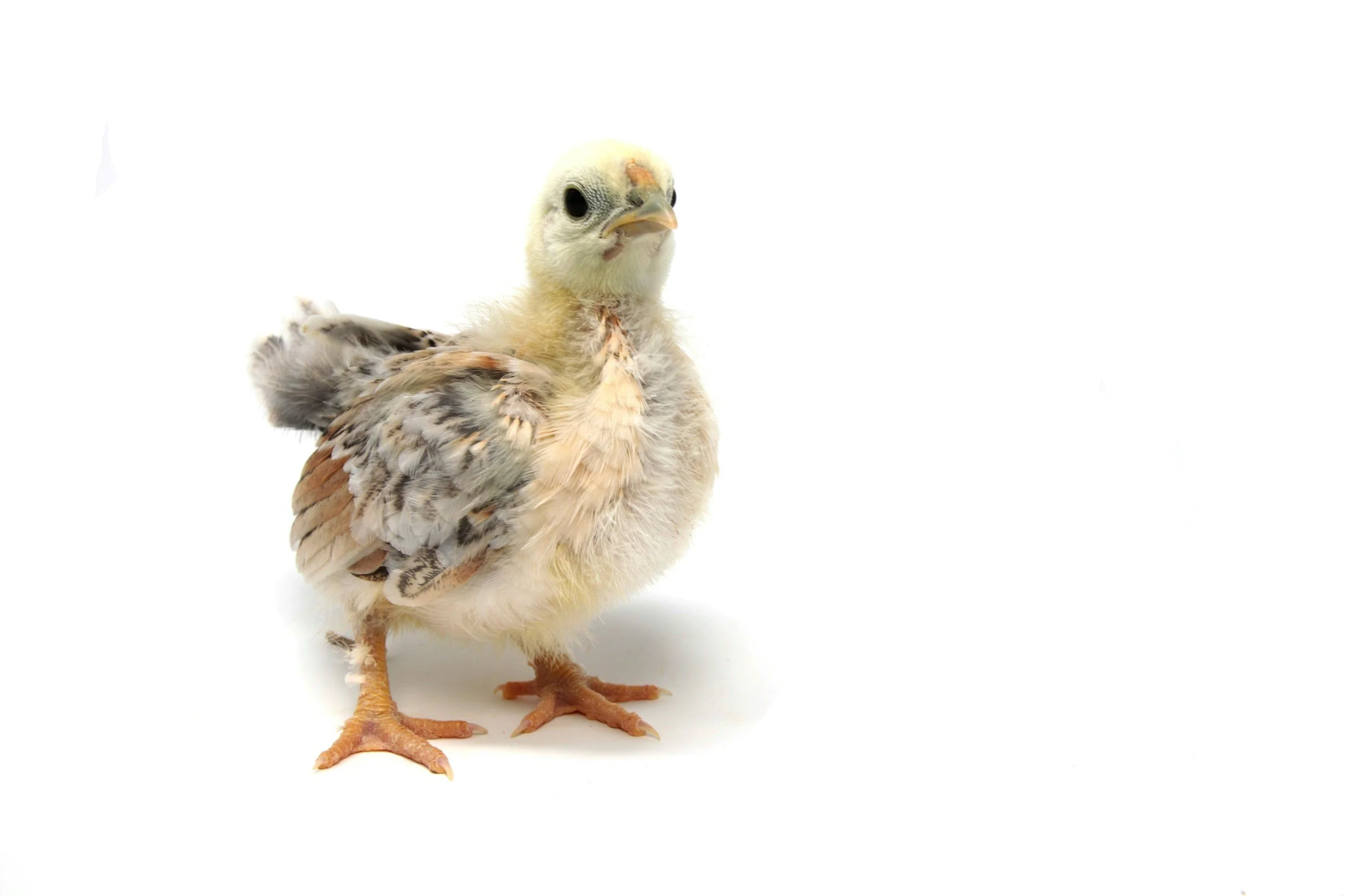
Whether you are hatching your own or purchasing hatched babies, it is important to have the baby area set up and ready before they arrive. A smaller space with heat lamps and baby safe waters is easy to set up. These spaces are temporary and will be outgrown quickly. Once the babies are approximately 2 to 4 weeks old they can be moved to a standard coop system provided that they maintain access to heat lamps as they are not quite able to regulate their own body temperatures yet. Once they are fully feathered with their adult feathers heat lamps can be reduced or removed depending on your current weather conditions.
-
![]()
Hens : Rooster Ratio
It is important to note that these ratios are guidelines and that each flock is a unique blend of personalities.
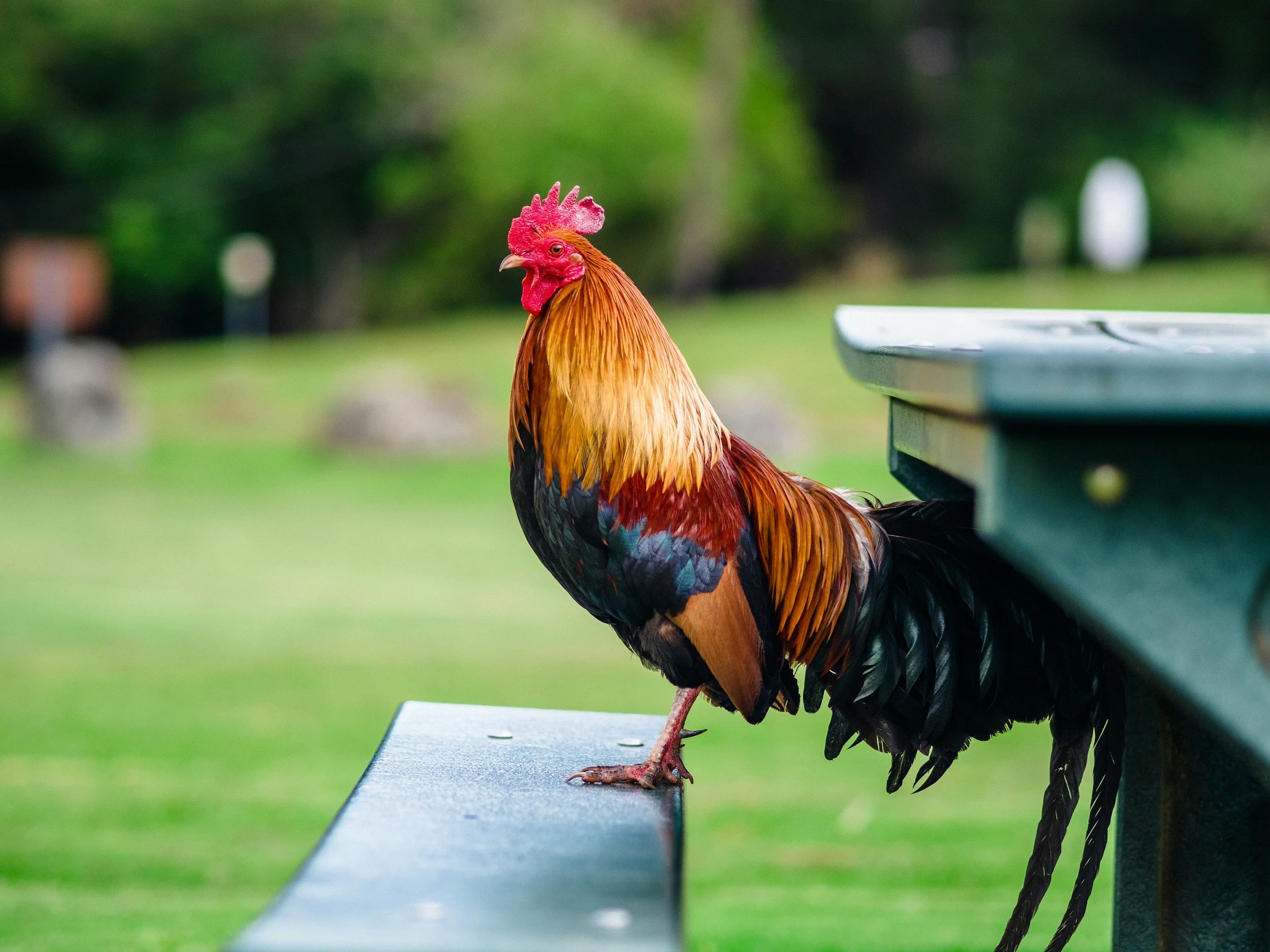
The most basic ratio is 1:10. One rooster to every 10 Hens. This 1:10 ensures that no hen becomes over bred provided the rooster is flock oriented and not attempting to pair with a single hen.
A gentle or older rooster can be safely kept with a smaller ratio of hens but it is not recommended to go below a 1:4 ratio.
Younger roosters can service a flock of 50 with reliable egg fertility, and 100 with fair egg fertility.
Roosters will form mini flocks of their favorite 5 to 10 hens within the flock whom they will prioritize when there is danger or treats.
Multiple roosters in a flock is possible provided that the roosters are raised together. This way the fighting occurs when they are younger when injuries are minimal.
(Note: Pairing among chickens is extremely rare and will not prevent the rooster from breeding the other hens; it is simply that he will breed the other hens once every few days but mount his girl multiple times a day and will prioritize her protection, feeding rights and nesting over all others.)
-
![]()
Choosing a Breed
Choose your breed based on your priorities and your area.
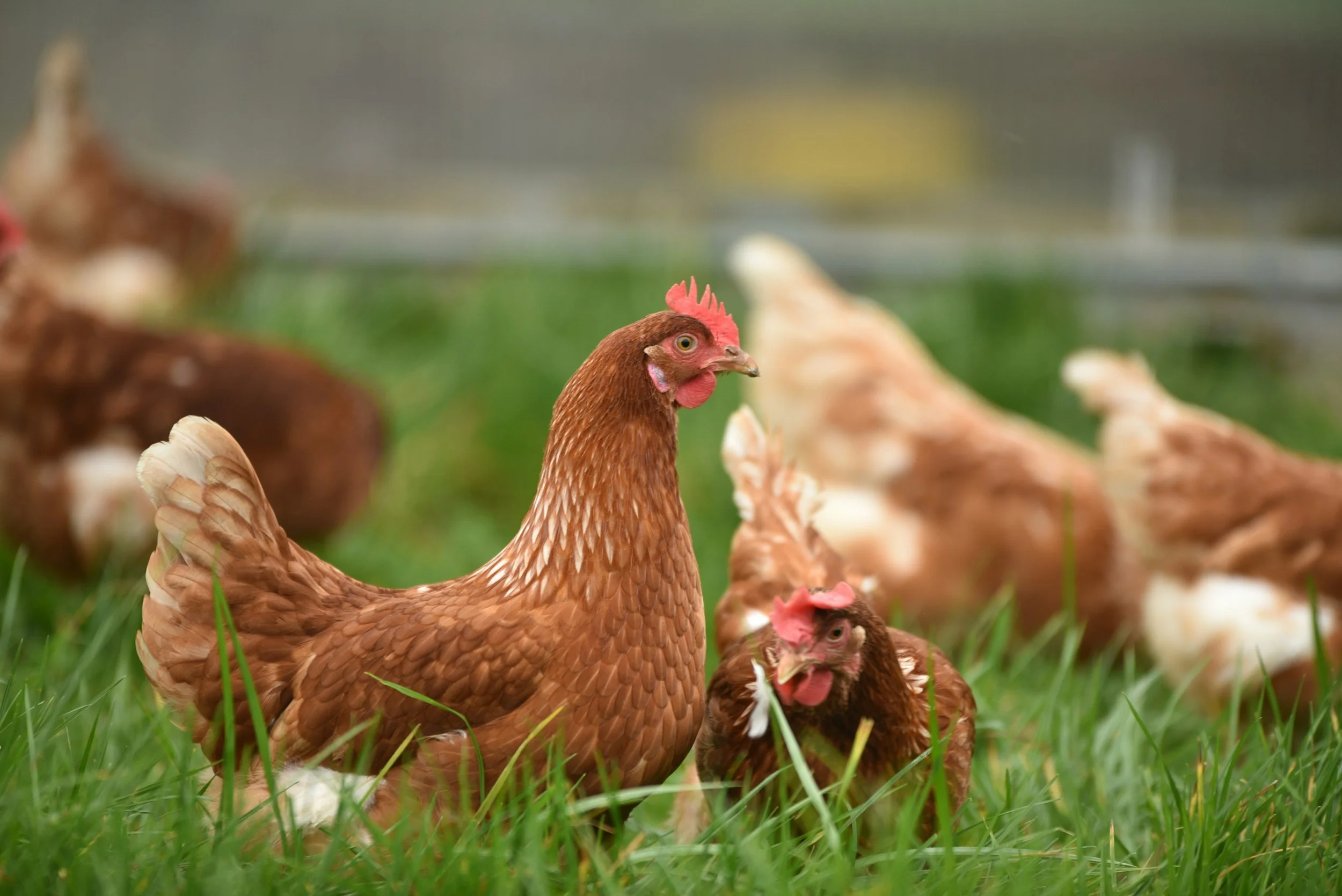
If your priority is egg production you will choose a breed that has a greater commercial background. These breeds will have a higher egg production per year but will have weaker immune systems, be vulnerable to environmental changes, will have restricted or altered instincts, and a shorter lifespan.
If your priority is the having of chickens and egg production is second, there are breeds that have a strong commercial background but are no longer common in the commercial poultry sector for various reasons. Each of these “dropout” breeds have strong egg production but some production is sacrificed for other benefits. Each “dropout” breed has different benefits but some common ones include broodiness, docility, seasonal rather than consistent production, colouration, immune response, different Instinctive reactions.
Dual Purpose and heritage breeds are great for those who have chickens that are low maintenance but pay their own way is the priority. This grouping often has breeds that are specific to geographical areas as they are often free range and weather hardy. These breeds produce a reasonable amount of eggs and/or meat without a lot of care needed. These breeds are great for homesteads as they are the closest domestic breeds to feral or wild varieties. These breeds often continue their natural instincts and immune systems similarly to their wild cousins while still being great producers that stay close to home.
Fancy breeds are for those whom production is not a priority at all. Each of these breeds have their own production benefits but production has been heavily sacrificed for behavioral, visual or physical traits that appeal to the owner.
-
![]()
Mixing a Flock
Breeds
Birds of a feather flock together. This quote has some serious implications when applied to chickens. When mixing breeds it is important to manage the fighting teams to ensure that no one breed is stronger than the other. Breeds of similar size and coloring can be classified as an allied group as well. Take into consideration each breed's tendency for fighting and dominant behavior as well. For example:
Silkies are small in weight, small in size, are very independent birds so will likely be easily separated from their allies. Their aggression level is also extremely low and will rarely fight back even when protecting babies. They will instead physically take the damage aimed at the babies.
Red Sexlink are medium in weight but have a strong grouping instinct and are often referred to as the meanest breed. They will attack friend and foe alike at the first sign of weakness. When they do have babies which is rare, they will defend them aggressively to the point of killing even a rooster should they be required to do so when protecting their young. In essence they are the scrappers and thugs, always up for a fight and surrounded by others like them.
Brahmahas are a large breed with a quiet stubbornness and simple aggression. They have a loose flocking instinct but stay within rescue distance of each other. They rarely start a fight but are quite willing to finish one and will not quietly take any bullying. The reduced laying capacity and increased feed consumption is mitigated by reduced stress, fighting, and injuries within the flock. Similar to a strict no nonsense mother all the neighborhood kids fear and respect even if they don’t know why.
Mixing ages is difficult.
In a small flock, should the babies be protected by the mother or any other hen that has adopted them, keeping some chick sized hiding places will be sufficient for the majority to survive as soon as the mother lets them out from under her. The mother will fight all who come near her chicks. Provided the chicks are smart enough to remain within the sphere of the mothers protection, a good mother will keep her chicks alive and integrate them into the flock at a few days old.
Without a mother it is recommended that the size and number of the young birds be equal to or greater than the older birds.
Fighting
Small Flock: In a small flock it is likely that you will be able to observe and determine who the bully and the bullied are rather quickly. Remember to note that the physical bully may not be the instigator of the fights. Removing the Instigator or the physical bully for a few days can break the cycle and allow new friendships and alliances to build. For bullies that have a history, re-integrate the bully during the day when all the others are aware that it is a “newcomer”. If the problem persists and you decide not to permanently remove that bird from the flock, you can try clipping the wings, leg hobbles or blinkers.
Large Flock: Remove any injured, underweight, or scruffy birds to a separate coop. Ensure that this new smaller flock does not have any strong fighters that may be underweight or scruffy due to excess fighting. It is important to raise the fighting capabilities of this weakest group by improving their body condition.
You may decide to permanently separate your large flock into 2 groups. Some people have had success with separated flocks even if they end up in the same yards during the day. Those who do not get along will often end up choosing different coops at night and different feeding areas, thereby preventing many fights and grudges.
If you do not have a rooster it might be a good idea to introduce a rooster or 2 to your flock. A mature rooster will assume that any excessively active hens are prime for breeding and he will often break up a fight for this purpose. The rooster will also defend and herd his chosen favorites keeping his favorite 10 or so hens strictly supervised. As these favorites are usually those who are instigators and physical bullies, this will contain them without a human having to intervene.
1 to 3 roosters for a flock of 100 is enough to ensure a calm flock.
*** The personality of your rooster is important, a bad rooster can escalate the issues. Be prepared to dispose of your rooster should they be incompatible with your flock.
Roosters: Roosters in a flock are a great idea. Multiple roosters can work together to encircle a flock, herding them away from dogs, towards food and under shelter should there be a hawk or other predator.
Issues occur when the roosters do not get along and fight instead of working together. This can be prevented by raising your roosters from young together so that any fights occur in the baby stage rather than the adult stage. This is the easiest way to have a rooster team rather than a collection of roosters.
If a rooster becomes ill or injured it will likely be rejected by the “brotherhood” and either become a “non breeding hen” or a "predator bait” in the eyes of the other roosters. This can lead to some nasty fights as the rejected rooster tries to regain his previous status. If the rejected rooster is in good health, it might be a good idea to find either him or the others a new flock.